




11th April marks World Parkinson’s Awareness Day. Established in 1998 by the World Health Organisation (WHO), the date honours the birth of James Parkinson, the physician who first described the condition in 1817 as "shaking palsy". The aim is to remind the world that, although the disease limits movement, our solidarity and scientific progress can restore hope and smiles to millions of families.
What is Parkinson’s Disease?
Parkinson’s is much more than a tremor; it is a progressive neurodegenerative neurological condition that impairs movement. It is caused by the gradual death of neurones in the substantia nigra of the brain, which are responsible for producing dopamine—a neurotransmitter essential for motor control.
Primary symptoms include resting tremors, slowness of movement (bradykinesia), muscle rigidity, and postural instability, alongside changes in speech, writing, and balance, evolving slowly over the years. Other manifestations may include depression, sleep disorders, loss of smell, and mood swings, which often precede motor symptoms by several years.
An Ageing World: The Impact in Portugal
Globally, it is the second most common neurodegenerative disease, affecting more men than women, especially after the age of 60. It is estimated that 11 to 12 million people live with Parkinson’s. With an ageing population, global cases are projected to double by 2050, reaching 25 million. In Portugal, the reality is significant: between 18,000 and 20,000 Portuguese people live with the disease, making it the second most common neurodegenerative condition in the country, following Alzheimer’s.
The Importance of Treatment and Early Diagnosis
While there is no cure yet, early diagnosis is the greatest asset in slowing symptom progression and ensuring well-being. Diagnosis is predominantly clinical, based on patient history and neurological exams that identify cardinal signs like tremor and rigidity, without definitive laboratory tests. Scans such as MRI or DaTSCAN can assist in doubtful cases but are not essential for most.
Treatment focuses on symptom relief and must be multidisciplinary. The neurologist acts as the "central hub" of care, coordinating a team including physiotherapists, occupational therapists, speech therapists, psychologists, psychiatrists, and GPs. This integrated approach helps manage both motor symptoms and non-motor issues like anxiety and dysphagia. In advanced stages, surgeries such as Deep Brain Stimulation (DBS) may be options. Regular physical activity remains one of the strongest recommendations for preserving mobility.
The Impact on Families and Support Networks
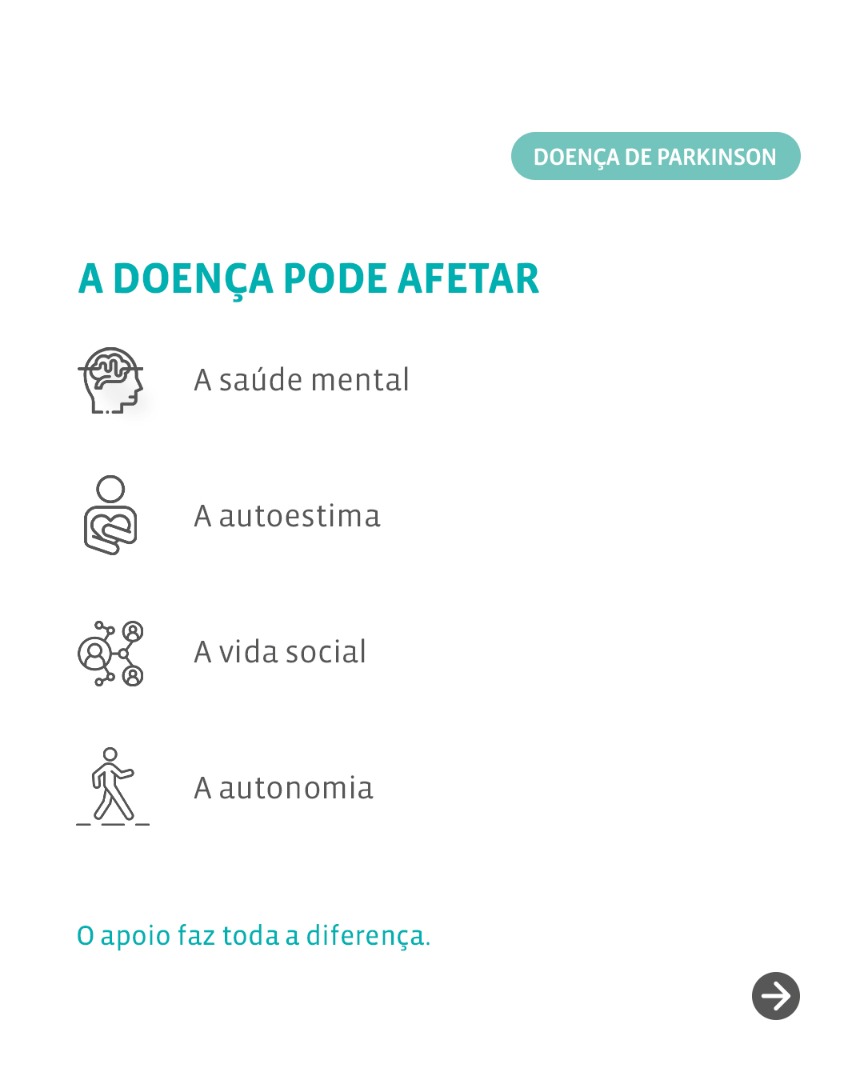
The disease causes depression in nearly 40% of patients, often linked to anxiety and social isolation. Many lose autonomy in work and daily activities, increasing dependency—a factor that reinforces the need for public inclusion policies.
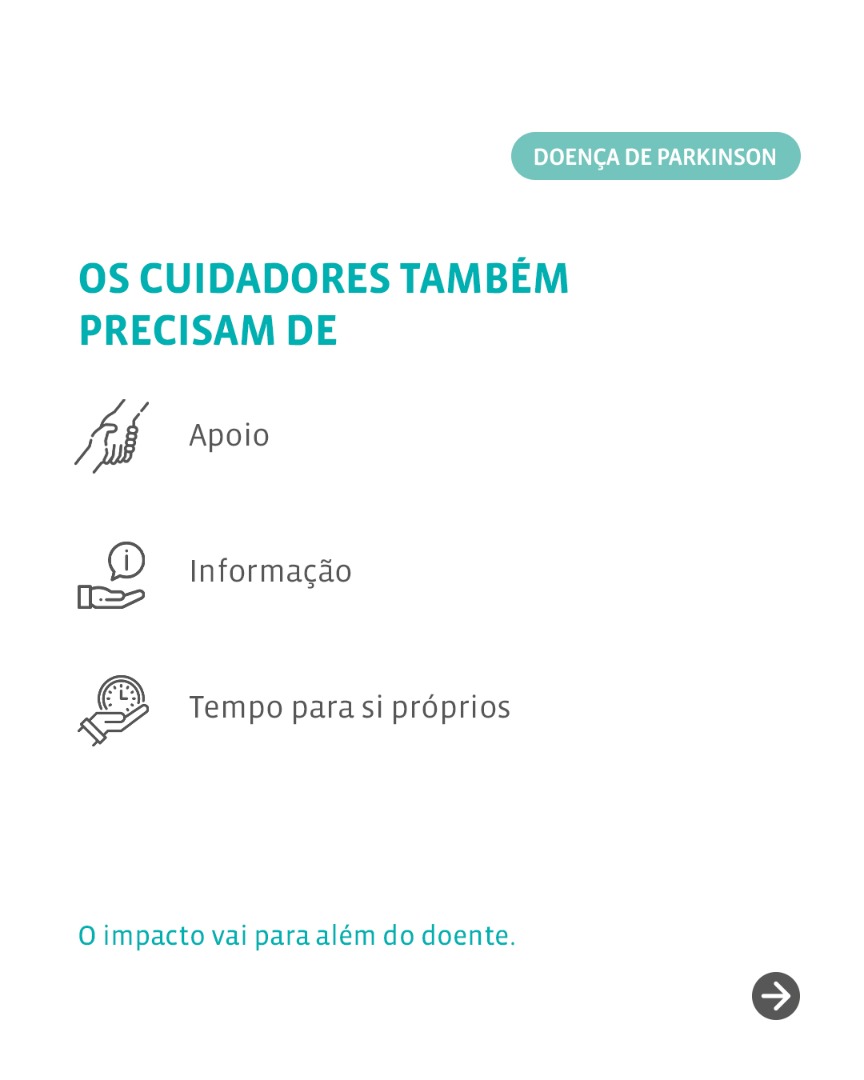
A Parkinson’s diagnosis echoes through the entire family structure. The family becomes the primary ally against depression and in daily tasks. However, caregiver burnout is real; it is vital they also seek self-care strategies. Institutions like the Portuguese Association of Parkinson’s Patients (APDPk) are fundamental, offering specialised care and a space for mutual understanding. Knowledge is what truly moves change. Support those living with the condition, encourage research, and spread awareness. Rigidity may be in the muscles, but our minds must remain flexible and open to new discoveries.
Content developed by Dr Narjara Ribeiro, Neurologist – 47909
11, April 2026